

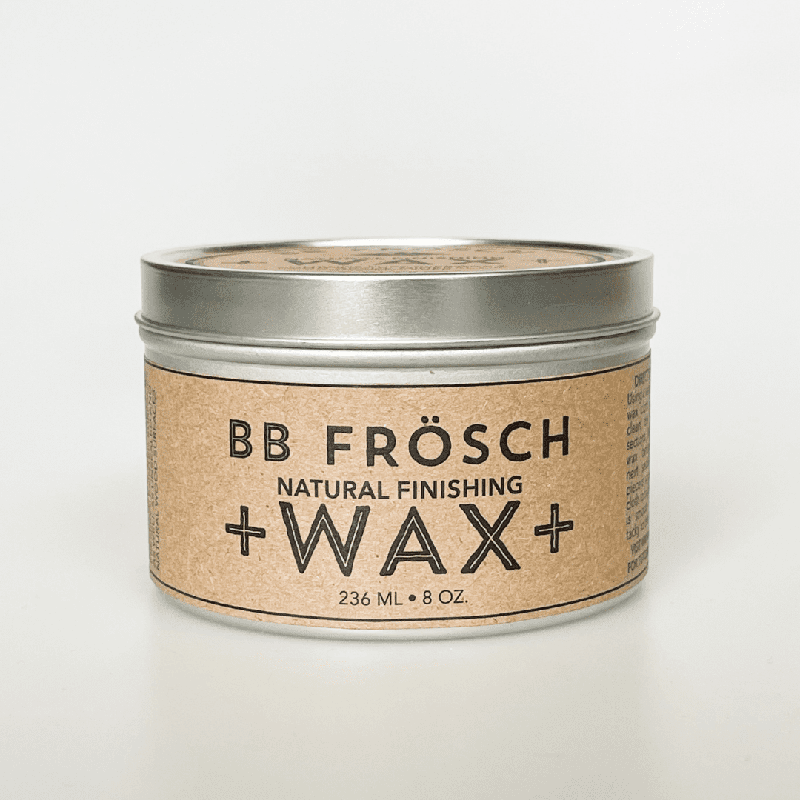
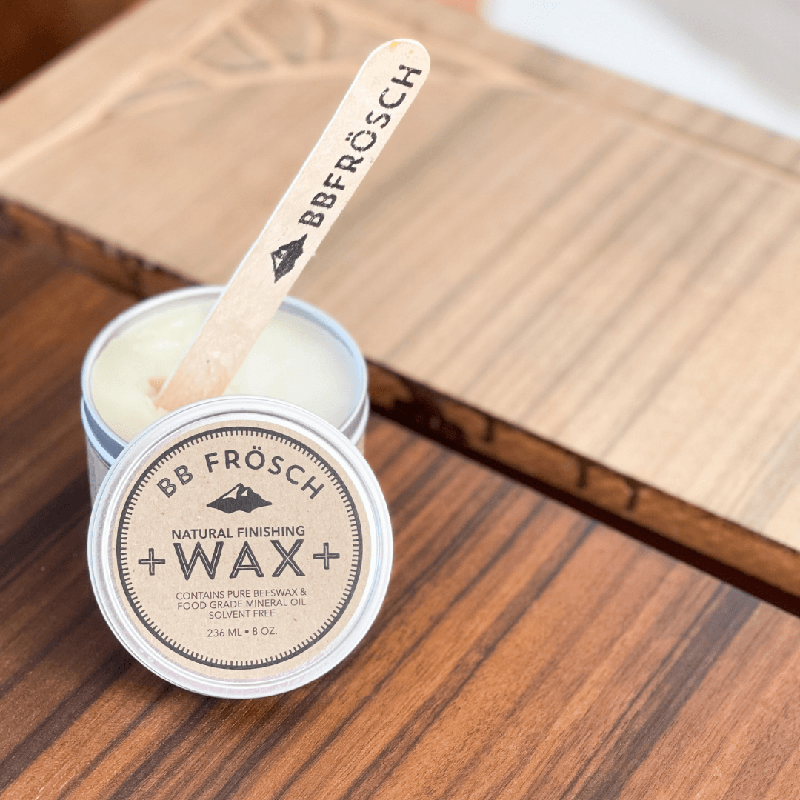
Natural Finishing Wax
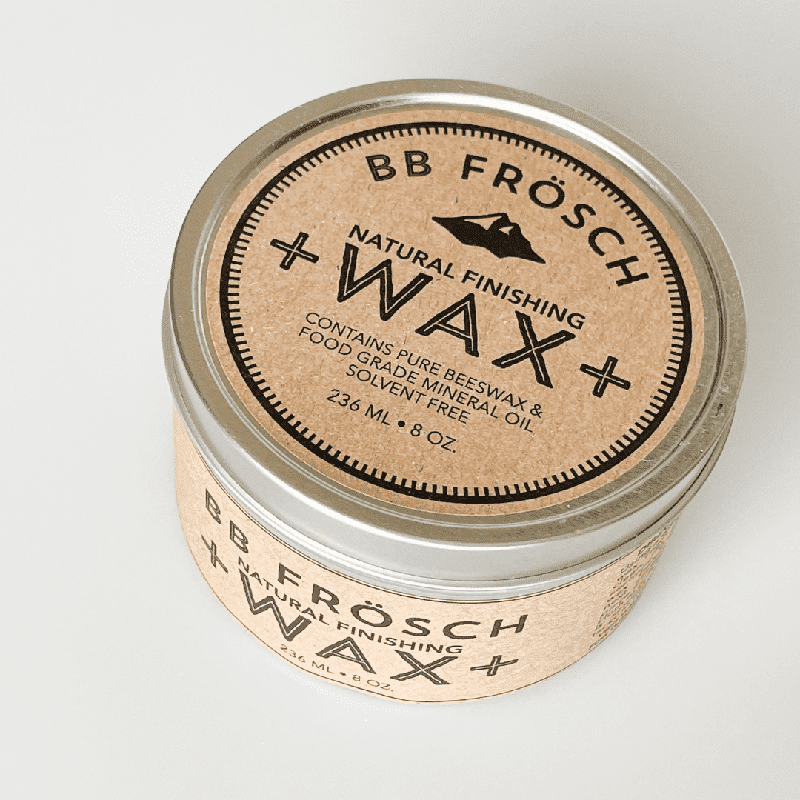
Beeswax and food-grade mineral oil. That's the whole list.
Made in the USA in partnership with Wild Honey Bee Farm, a family-owned Florida beekeeping business. Their beeswax is ethically and sustainably sourced, then blended in small batches with food-grade mineral oil.
No solvents, fumes, phthalates, formaldehyde, or heavy metals.
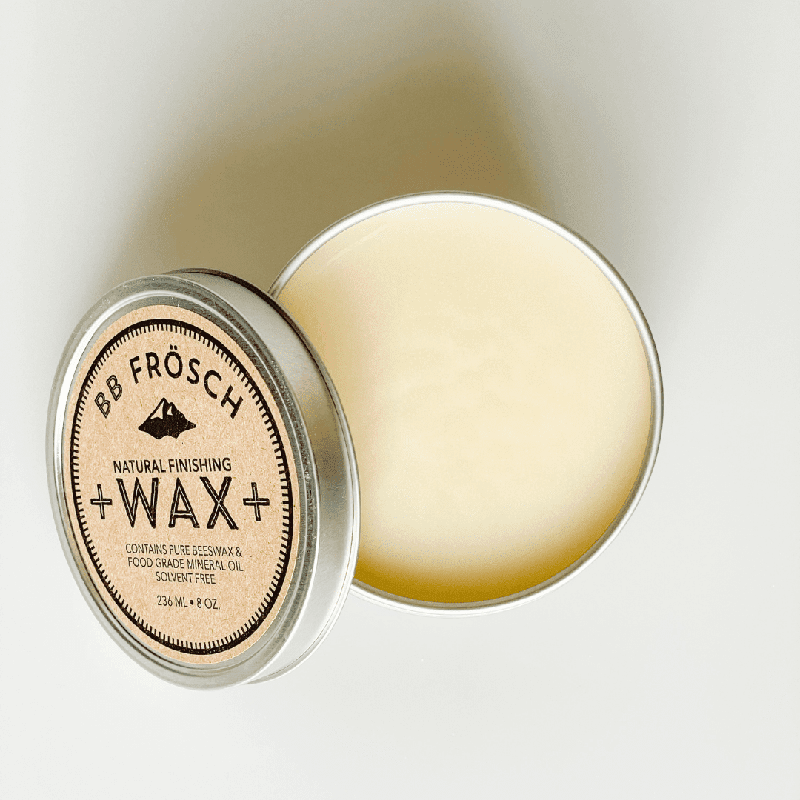
It soaks into wood rather than sitting on top of it, feeding dry grain and leaving a soft, lightly polished sheen. Vintage velvet, not shiny shellac.
Ways to Use It
Most people buy it for one thing and then find five more.
In the kitchen Cutting boards, charcuterie and serving trays, wooden spoons and utensils, salad bowls, rolling pins, butcher block counters, wooden canisters and scoops. Anything wooden that's gone pale, dry, or chalky.
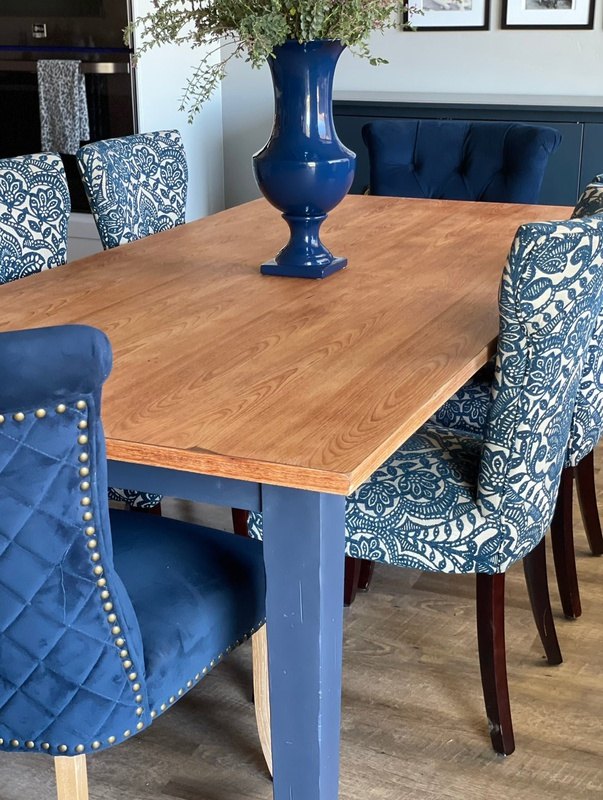
On raw and unfinished wood New builds, stripped pieces, live edge shelves, wooden boxes, turned bowls. Wax brings the grain forward and gives it depth without a film on top.
On tired old wood Antiques that have dried out. Furniture legs and trim that have gone gray. Window sills, banisters, and open shelving. This is the use people don't think of, and it's often the most satisfying.
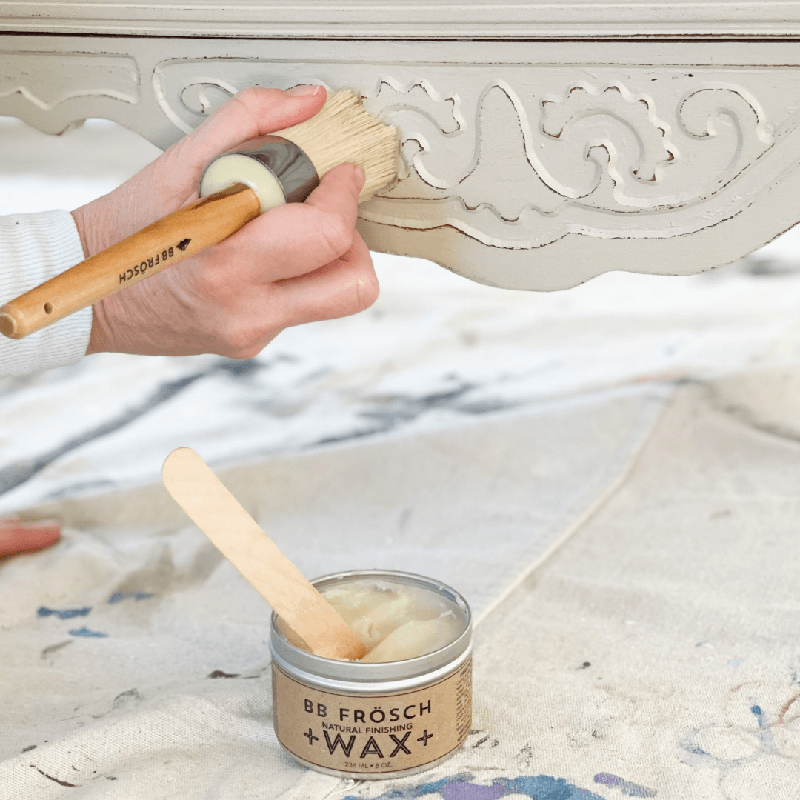
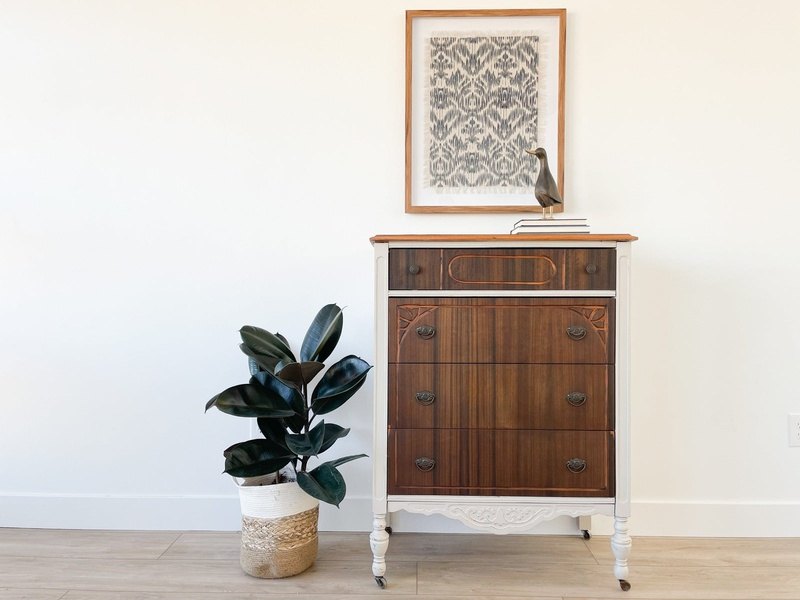
As a sealer on painted pieces If you chose your paint carefully, you probably care about what goes on top of it. Natural wax seals paint with two ingredients and no solvents, which is a rare thing in a finish.
The tradeoff is time. Give it three to five days to cure and be gentle with the piece in that window. Good for décor, accent pieces, and anything that isn't in constant use. For a dresser or cabinets that get handled every day, Premium is the better call.
On small and handmade things Keepsake boxes. Handmade gifts. Wooden bowls and trays. Anything made of wood that you want to feel good in the hand.
Natural or Premium?
Both give a beautiful finish. The difference is the process.
Natural has no solvents, so it takes three to five days to fully cure. It's a slower, more traditional way to finish a piece, and it's what you reach for when the ingredient list matters or the piece is going in a kitchen.
Premium is built for speed and everyday wear. It cures in minutes instead of days and holds up better on furniture in daily use. It also comes in dark, for two-tone work and depth in carved details.
Choose Natural when you care about what's in it and you're not in a hurry. Choose Premium when you want the piece back in service tonight.
[Shop Premium Finishing Wax →]
How to Apply
- Start clean and dry. On painted pieces, wait until the paint is fully cured. If it feels cold to the touch, looks darker in spots, or hasn't sat 24 hours, give it more time. Waxing too soon is the most common mistake.
- Butter your brush or cloth. You want to see wax on the bristles, not coat them like frosting. A little goes a long way.
- Wax on, thin. With the grain on bare wood. Circular motions on painted surfaces and carved details.
- Buff it off. Clean, lint-free cloth. You've buffed enough when the cloth glides, the surface starts to shine, and nothing feels sticky.
- Let it cure. Three to five days. No vigorous wiping, no heavy décor on top.
On kitchen pieces, reapply whenever the wood starts looking dry or pale. Boards and utensils that get used often will want it more.
If Something Feels Off
Still tacky an hour after buffing? Too much wax, or not enough buffing.
Blotchy or dull? The paint probably wasn't cured before you waxed.
Either way it's fixable. This wax is forgiving and buildable, so you can lightly sand or reapply.
One thing to expect: this isn't a high-gloss finish. It's a soft sheen that looks like it belongs in a home, not a showroom.
8 oz. (236 ml). A little goes a long way.
Beeswax, mineral oil, and your two hands. That's it.

